
What is a Scottish Fold? A Comprehensive Guide To This Unique Cat Breed
- Kari Broome
- Jul 3, 2023
- 4 min read

Updated: May 6, 2024
Introduction to Scottish Fold Cats
The Scottish Fold is a breed known for its distinctive folded ears, which result from a rare genetic mutation. Originating in Scotland in the 1960s, these cats have become beloved worldwide for their charming looks and sociable nature. Their popularity rapidly increased in recent years due to famous owners like Taylor Swift, whose Scottish Folds have gained their own fan following, making the breed a favorite among cat lovers globally.

Historical Background and Breed Development

The Scottish Fold breed traces its roots back to a farm in Scotland, where in 1961, a shepherd named William Ross discovered a white cat named Susie with unusual folded ears. Fascinated by Susie's unique appearance, Ross acquired one of her kittens and began a breeding program. By 1978, the Scottish Fold had achieved championship status from the Cat Fancier's Association (CFA), and shortly afterward from The International Cat Association (TICA), marking its rise in popularity and formal recognition as a breed.
In addition to the folded-ear variety, the breed includes cats with normal straight ears, known as Scottish Straights. These cats, which do not carry the genetic mutation for folded ears, were officially recognized for show by TICA in 1994 and by the CFA in 2000. Scottish Straights share the same genetic pool, and are imperative for their contributions to the breed's diversity and health.
Distinctive Physical Traits
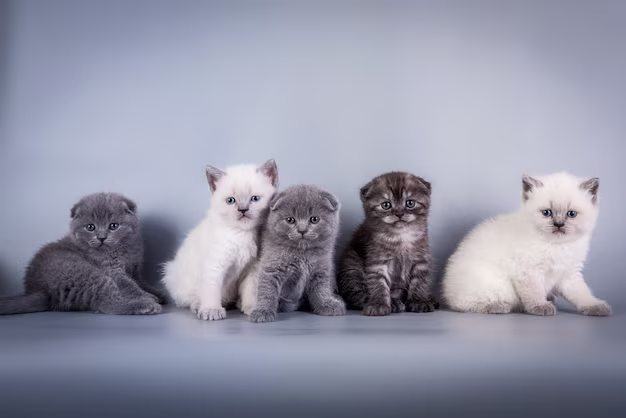
Scottish Folds are medium-sized cats characterized by a well-rounded body, robust build, and a continuously round face and eyes, which contribute to their distinctive owl-like appearance when combined with their folded ears. Many people are surprised to learn that at birth all Scottish Fold kittens have straight ears. The unique folding characteristic will affect 25% of a litter on average and begins to develop around 3 to 4 weeks of age as a result of a genetic mutation affecting the cartilage.
Their coats can be either short or long but are consistently dense and plush, enhancing their cuddly, inviting appearance. The breed displays a rich variety of colors and patterns, including but not limited to white, black, blue, chocolate, cream, colorpoint and various tabby patterns.
Behavior and Temperament
Aside from their endearing looks, Scottish Folds are particularly valued for their calm, serene temperament. They tend to be very affectionate, enjoying close contact with their human families and often become particularly attached to one family member. Despite their tranquil demeanor, these cats also exhibit a playful and curious side. They enjoy interactive toys and puzzles that engage their minds, ensuring they stay active both mentally and physically. With appropriate play and exercise, Scottish Folds tend to have lower energy levels and a strong fondness for napping, making them a great fit for relaxed home environments.
While they enjoy their downtime, Scottish Folds are sociable with both children and other pets, seamlessly adapting into more lively households. Their easygoing nature, combined with their inquisitive and laid-back temperament, makes them ideal companions for those looking for a well-rounded and affectionate cat.

Caring for Your Scottish Fold
Caring for a Scottish Fold involves routine grooming dependent on their individual coat length and texture. Regular brushing is essential, particularly for those with long coats, to reduce shedding and prevent hairballs. Their ears, whether folded or straight, generally need no more care than those of other breeds. However, like all cats, they should still be cleaned and inspected regularly.
Maintaining a Scottish Fold's overall health involves essential practices such as routine nail trimming and dental care to prevent common issues like periodontal disease. Providing Scottish Folds with a balanced diet appropriate for their age, health status, and activity level, coupled with regular veterinary check-ups, ensures they stay healthy and happy. These preventative care measures are vital for the well-being and longevity of all cats.
Genetic Health Considerations
Prospective Scottish Fold owners should be aware of certain health issues associated with the breed. The same genetic mutation that causes their ears to fold can also lead to cartilage and bone issues, such as osteochondrodysplasia (OCD), which affects joint function leading to severe discomfort and mobility issues. Ethical breeding practices are crucial; breeders should avoid mating two folded-ear cats together, which significantly increases the risk of OCD and other genetic problems.
Other health concerns include Hypertrophic Cardiomyopathy (HCM), a common heart disease in cats, and Polycystic Kidney Disease (PKD). Reputable breeders will screen for these conditions to ensure the healthiest possible offspring.

The Rewards of Owning a Scottish Fold
Owning a Scottish Fold can bring much joy and companionship into a home. Their distinct appearance coupled with their affectionate, playful nature makes them wonderful pets. However, it is crucial for potential owners to source their pets from ethical, responsible breeders who conduct health screenings and follow best practices to ensure the long-term health and happiness of their cats. By choosing a Scottish Fold, you’re not just getting a pet; you’re adding a loving, engaging member to your family. If you're considering adding a Scottish Fold to your family, our cattery may have the perfect fit for you. Click here to visit our available kittens page.


